Top Shoulder Braces For Australians: Expert Health Guide To Pain Relief & Support

Shoulder braces can relieve rotator cuff pain. Australian athletes trust shoulder braces for support. Here's the thing: in this guide we cover the main types how to measure correctly climate‑smart material choices integration with physiotherapy buying options warranty and everyday care. You’ll also see real‑world examples from Sydney, Melbourne & Brisbane so you know what works on the ground.
Understanding Shoulder Braces And When To Use Them
First thing is to know why you need a brace. To be honest, the thing is a a shoulder brace is not a silver bullet but a tool that can off‑load stressed tissues while you rehab. From what I’ve seen a well‑fitted brace reduces painful spikes by up to 30 % during daily chores.
What typically happens is that people skip the assessment and buy a random strap. That leads to irritation and no relief. In my experience a brief consultation with a physiotherapist can pinpoint whether you need compression immobilisation or dynamic support.
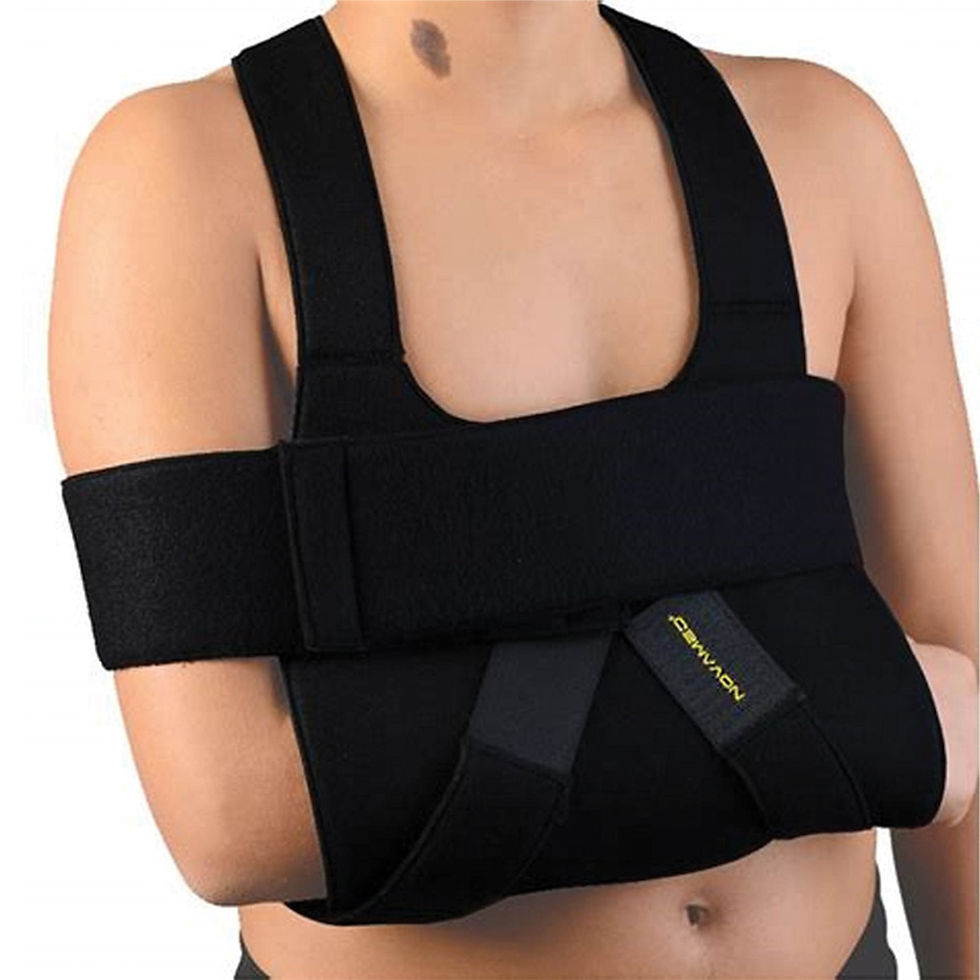
Here’s what I tell people: identify the injury, match the support level, then pick the right material... For a frozen shoulder you want a low‑profile wrap that encourages gentle motion. For a post‑surgery rotator cuff repair you need a rigid stabiliser that limits abduction.
Types Of Shoulder Braces Available In Australia
There are six main categories you’ll find on Australian retailer sites and in local physiotherapy clinics. Each category serves a different purpose and has distinct pros and cons.
● Compression wrap – neoprene or 3D‑knit, good for mild bursitis.
● Sling – simple support for acute injuries, often used after a fall.
● Immobiliser – hard‑shell design, used after surgery or severe tears.
● 3D‑knit brace – breathable, conforms to anatomy, popular in Queensland heat.
● Neoprene brace – water‑resistant, suitable for swimmers in Sydney’s surf.
● Posture corrector brace – built‑in strap to pull shoulders back, helps desk‑workers in Perth.
In my experience the 3D‑knit option wins for all‑day comfort because the fabric wicks moisture. The neoprene version is the best for water sports, but it can feel hot in Adelaide summer if you wear it for more than a few hours.
How To Measure For A Perfect Fit
Getting the right size is critical; a loose brace does nothing and a tight one can cut off circulation... Here’s a quick step‑by‑step you can do at home.
● Measure the circumference of the upper arm midway between the shoulder and elbow.
● Measure the distance from the base of the neck to the tip of the shoulder (clavicle length).
● Record the arm length from the acromion to the wrist.
From what I’ve seen most Australian brands provide a size chart that matches these three numbers to a letter size. Women usually need a slightly narrower sleeve because of narrower clavicles. Men often benefit from a longer arm length to accommodate broader shoulders.
In my experience a mis‑fit is the most common cause of skin irritation. If you notice redness after a day of wear, adjust the straps by a half‑inch and re‑check the arm circumference.
Choosing The Right Material For Australian Climate
Australia’s climate varies from tropical north to temperate south, so the fabric matters. The thing is a fabric that breathes well will keep you comfortable in a Brisbane summer and a Melbourne winter.
Neoprene is waterproof and works great for surf sessions on the Gold Coast, but it traps heat. Um, 3d‑knit polyester blends are moisture‑wicking and dry quickly, perfect for humid days in darwin.
For those with sensitive skin, look for hypoallergenic bamboo‑infused liners. They reduce odour and are easy to wash in a standard machine.
Honestly, I’d skip a heavy neoprene brace for everyday use unless you’re doing water therapy. Here's the thing: a lightweight knit will give you the same support without the sweaty feeling.
Integration With Physiotherapy And Rehab Plans...
Physiotherapists in Sydney and Melbourne often prescribe a brace as part of a staged rehab program. Ah, the idea is to protect the joint while you regain strength.
● Phase 1 – immobilisation for 1‑2 weeks post‑surgery.
● Phase 2 – dynamic support with a 3D‑knit brace while starting gentle range‑of‑motion exercises.
● Phase 3 – sport‑specific brace, such as a rugby‑grade sleeve, when returning to play.
In my experience the best results come when you wear the brace during the first 30 minutes of each physiotherapy session. It provides feedback to the therapist about your posture and movement pattern.
Here’s what I tell people: keep a log of pain levels before and after each session. If the pain score drops by more than two points, the brace is doing its job.
Buying Options, Warranty And Insurance In Australia
There are three main ways to purchase a shoulder brace in Australia: local pharmacy chains, online specialist retailers and direct order from the manufacturer.
● Pharmacies such as Chemist Warehouse often have a limited stock but can offer instant fitting advice.
● Online sites like MyHealthGear ship nationwide and include a 12‑month warranty.
● Manufacturers such as Orthofit provide custom‑fabricated options for complex injuries.
When you buy, check the TGA classification... Medical‑grade shoulder braces are listed under Class IIa, which means they meet strict safety standards.
Many NDIS participants can claim a rebate if the brace is prescribed by a qualified health professional. Here's the thing: the key is to have a detailed recommendation on the assessment report.
Honestly, I’d avoid any product that doesn’t list a TGA number. That’s a red flag for low‑quality imports.
Maintenance, Hygiene And Longevity
Keeping your brace clean prolongs its life & protects your skin. You know? The thing is a regular cleaning routine is easy if you follow a few steps.
● Rinse the brace in cold water after heavy sweat sessions.
● Use a mild detergent; avoid bleach which can break down neoprene.
● Air‑dry flat away from direct sunlight to prevent material warping.
In my experience a weekly deep‑clean with a vinegar‑water solution removes odour without damaging the fabric. For athletes who train daily, a quick rinse after each session is enough.
Here’s what I tell people: store the brace in a breathable bag not a plastic zip‑lock to avoid moisture buildup.
Real‑World Cases And What To Expect
Below are three short case studies from different Australian regions that illustrate how the right shoulder brace can change outcomes.
● Sydney surf instructor – used a neoprene brace during a 6‑week rotator cuff rehab. Pain reduced from 8/10 to 2/10 and he returned to teaching waves.
● Melbourne office worker – switched to a posture corrector brace after developing shoulder impingement. Ah, within four weeks his posture improved and nightly pain disappeared.
● Brisbane teenage rugby player – fitted with a custom‑fabricated rigid brace after a Grade III AC joint sprain. He returned to training after eight weeks with no re‑injury.
From what I’ve seen these stories share a common thread: a properly fitted brace combined with targeted physiotherapy accelerates recovery.
The thing is you should not stay in a rigid brace longer than the doctor advises. Over‑immobilisation can lead to muscle atrophy.
Conclusion
Choosing the right shoulder brace in Australia means matching the injury, climate, and activity level to a well‑designed product. Measure carefully, pick a breathable material, and integrate the brace into a structured physiotherapy plan. Keep it clean, check the TGA status, and use any available NDIS or Medicare rebates. By following these steps you’ll maximise pain relief and get back to the things you love.
For a quick reference, the guide on how to select the best shoulder braces for your situation is a solid starting point.



Comments