Top Submersible Water Pumps for Melbourne Homeowners: Your Ultimate Home Improvement Guide
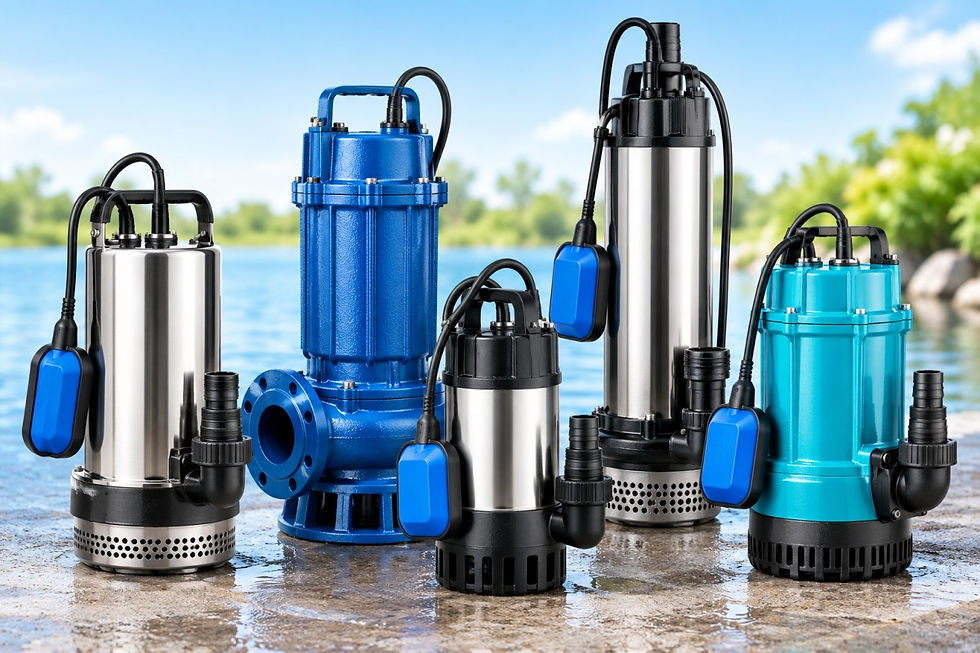
Looking to keep your garden green, your basement dry or your well reliable in Melbourne’s fickle weather? Then you need the Submersible water pumps they’re the backbone, and this guide shows you how to pick, install, maintain and even add smart‑tech upgrades, so you dodge floods and dry‑well shocks.
Choosing the Right submersible water pumps for Melbourne
East Melbourne often has sandy ground, north side clay, and near the Yarra floodplain you’ll find high‑water‑table spots. So the submersible water pumps head and flow have to fit the bore depth and whatever your irrigation or waste system needs. I’ve seen a 1.5 kW motor pushing 30 L/min at a 10 m head do the job for a usual 30‑meter residential bore. And you’ll notice the pressure stays steady even when demand spikes. Sound good?
Check the pump’s material, cast‑iron for gritty water, stainless‑steel for corrosive.
Look for a rating of 70 % or more; Aussie electric rates mean even a 5 % bump shows up over a year.
And choose a double‑seal design; it blocks groundwater from the motor.
From what I’ve seen, brands like Grundfos, Franklin, and Australian‑made Pump‑Mate offer models that meet the ‑2‑7 safety standard and include a built‑in pressure switch, which is a real time‑saver for homeowners who want a set‑and‑forget solution.
Installing submersible water pumps in a Melbourne home
Installation isn’t just tossing a pump into a bore. First, check the bore’s diameter, most Melbourne homes use 100 mm to 150 mm wells, so you need a pump that slides in without nicking the pipe. And then you work out the total dynamic head (TDH): add the lift, pipe friction losses, plus any outlet pressure you require. Remember, an undersized pump can overheat, while an oversized one wastes power. Got it?
And a flexible PVC pipe lets the discharge line shift a little.
But a stainless‑steel cage around the pump keeps it from moving when the flow ramps up and the pressure spikes.
So a surface check valve stops back‑flow when the pump stops, do you have one installed?
And don’t forget the electrical side, you need a 32 A breaker, earth‑leakage protection and a waterproof conduit, all required by Victorian wiring rules. So, who’s going to wire it? I’d call a licensed electrician, especially if the pump runs off a solar‑plus‑battery set‑up.
Depth and head calculations for submersible water pumps
For a typical 30‑meter bore the suction head is basically the depth, because the pump lives under the water line. And if you need a garden tank, add about 5 m of discharge head, pushing the total to roughly 35 m. A 40 m‑head pump gives a safety cushion, so it won’t quit on a hot summer day when the water gets thicker. Got a margin in mind?
Maintaining submersible water pumps for long life
Skip the upkeep and your pump could die in three years instead of ten. And many Melbourne owners skip the quick check that stops sand and algae from choking the impeller. Do you run that simple regular six‑month routine? That’s what I always recommend.
Turn off power and lock‑out/tag‑out the circuit.
Pull the pump out of the bore using a winch or hoist.
Inspect the seals for wear; replace any cracked O‑rings.
Flush the impeller with a garden‑hose to remove debris.
Re‑install the pump, making sure the riser pipe is fully seated.
In my experience, a quick visual inspection of the motor housing for corrosion can catch problems before they cause a seal failure. If you hear a humming noise but see no water flow, the motor may be stuck. That’s a red flag for bearing wear.
Cleaning the impeller of submersible water pumps
When the impeller clogs, flow nosedives hard for you. You can quickly dunk the pump in a bucket, give the impeller a hand‑spin, and sweep away grit with a soft brush today. And why use metal tools? They’ll scratch the finish and sap efficiency, really again.
Smart control and energy efficiency of submersible water pumps
And energy‑efficient submersible pumps are now a go‑to in Melbourne houses, thanks to the carbon‑cutting drive. Pick a model with a variable‑frequency drive (VFD); it tweaks motor speed to demand, slashing power use up to 30 % when flow eases.
Hook the pump up to a Wi‑Fi controller so you can check it remotely.
And set a pressure‑drop limit, if it falls the system shuts off automatically, avoiding a dry‑run.
Or link it to a rain sensor; when 5 mm falls in a day, irrigation pauses. That's handy, right?
What typically happens is that homeowners who install a smart controller see a noticeable drop in their quarterly electricity bill, and they avoid the hassle of manually checking water levels.
IoT monitoring for submersible water pumps
IoT modules now log flow, temperature and power, then ping your phone when something’s off. And a recent Glen Waverley case showed a homeowner cutting pump run time by 12 hours a month after the system spotted a tiny pressure dip and tweaked the VFD. Curious how that works for you?
Regulatory compliance and safety for submersible water pumps in Victoria
Australian standards say it straight: any pump in a home water system must meet ‑2‑7 and carry CE‑marking. And in Melbourne you need a council permit for any borehole over 30 m, plus an EPA water‑use plan. Got it?
Secure the pump’s motor is sealed against ingress, the IP68 rating is a good benchmark.
Use a properly rated surge protector to guard against voltage spikes during storms.
Keep a maintenance log; councils may request it during inspections.
And remember, the borehole must be capped with a tamper‑proof lid when not in use, especially in high‑traffic suburbs like St Kilda where children play near garden fences.
‑2‑7 standards for submersible water pumps
The standard covers insulation, grounding, and thermal protection. A pump that fails any of these tests can be recalled, and you could face fines under Victorian consumer law. Always ask your supplier for a compliance certificate before purchase.
Troubleshooting common issues with submersible water pumps
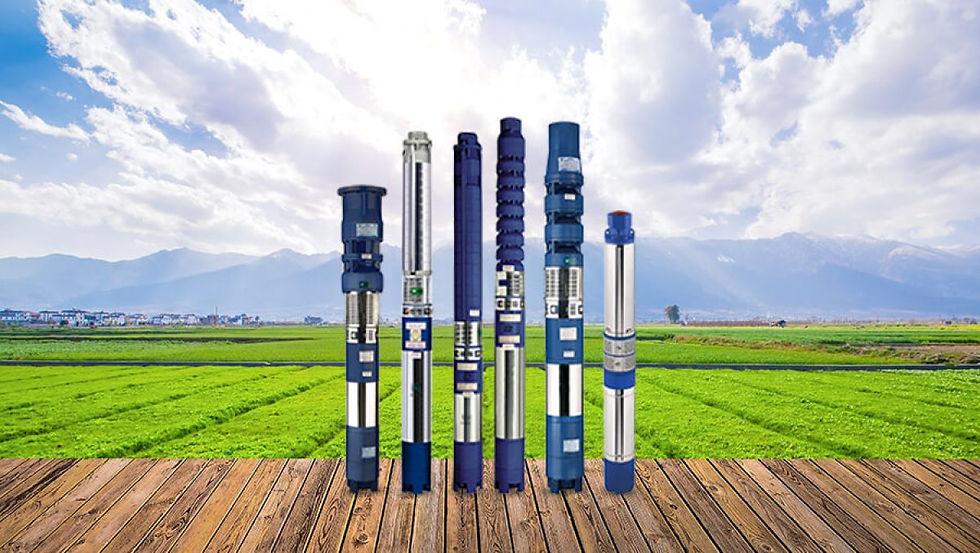
When a pump quits delivering water, first check the pressure. A sudden dip? Likely a blocked inlet or a worn impeller. And if it’s shaking a lot, the mount might be loose, maybe the shaft’s bent. Got any of those signs?
And if you hear a grinding metal noise, it’s usually a bearing’s fault.
But air sneaks into the suction line can make flow flicker, put a vent pipe up at the highest point.
So a hot motor tells you cooling’s lacking, clear any junk from the fins.
In my experience, a systematic approach saves time: start with visual inspection, then measure voltage, then check flow rate. If you still can’t pinpoint the problem, a qualified pump technician can perform a motor winding test.
Smart clear monitoring for submersible water pumps
Some newer models include built‑in diagnostics that display error codes on a handheld remote. For example, code “E‑03” often means the motor temperature exceeds 80 °C, prompting an automatic shutdown to protect the winding.
Conclusion
Choosing, installing, and maintaining the right submersible water pumps can keep Melbourne homes thriving from the Yarra floodplain to the Dandenong Ranges. So match the pump’s specs to your soil and water, follow Aussie safety rules, and use smart‑control tech; then you’ll get steady water, lower bills and calm during storms. Need a pump that handles the wet season? And regular checks, proper sizing and a bit of DIY diligence can stretch pump life, letting you concentrate on what matters: a thriving garden or a dry basement.


Comments