Shop Fitouts: Creating Retail Spaces That Drive Sales
Ever walked into a shop and felt instantly drawn to explore every corner? Or perhaps you've stepped into a store that felt so uninviting you couldn't wait to leave? What makes the difference between these two experiences? The answer often lies in something many business owners overlook: the shop fitout.
Your retail space speaks to customers before your staff even says hello. It tells them what your brand stands for, what kind of experience they can expect, and whether your products are worth their time and money. A well-designed fitout doesn't just look good—it actively works to boost your sales, improve customer satisfaction, and build lasting brand loyalty. On the flip side, a poorly planned space can send shoppers straight to your competitors.
In this guide, we'll explore everything you need to know about creating a retail space that drives sales. From understanding the basics of fitouts to choosing the right company for the job, we'll cover the essential elements that transform ordinary shops into profitable retail destinations. Whether you're opening your first store or refreshing an existing space, you'll find practical insights to help you make smart decisions. Let's get stuck into it.
What Is a Shop Fitout? Understanding the Basics
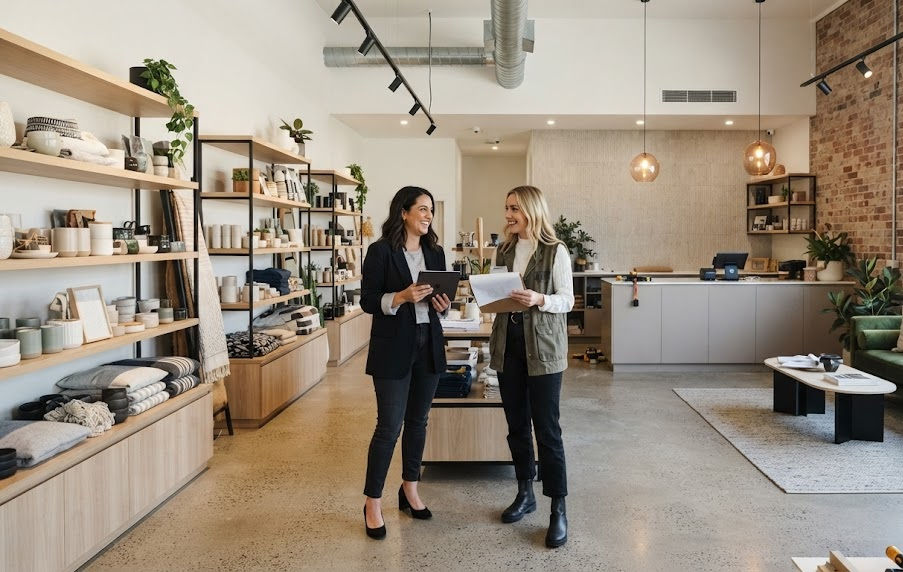
A shop fitout refers to the complete interior design and construction work that transforms an empty shell or existing space into a functional retail environment. Think of it as everything that goes inside your four walls—from flooring and lighting to shelving, counters, and signage.
The Difference Between a Fitout and a Renovation
Many people confuse fitouts with renovations, but they're quite different. A renovation typically involves updating or repairing existing structures—think new paint, replacing worn flooring, or fixing damaged walls. A fitout, however, is more extensive. It involves designing and installing all the internal elements that make a space ready for business. You might renovate a heritage building and then fitout the interior for your boutique—two separate processes working together.
Key Components of a Successful Retail Fitout
A successful retail fitout includes several essential elements working in harmony. These include your floor plan and customer flow design, lighting systems, display fixtures, point-of-sale areas, storage solutions, and branding elements. Each component must support your business goals while creating an inviting atmosphere for shoppers. The best fitouts balance visual appeal with practical functionality, making sure your space looks amazing and operates smoothly.
How Much Does a Shop Fitout Cost in Australia?
Let's talk numbers—because budget matters. In Australia, shop fitout costs vary dramatically depending on your requirements, location, and quality expectations.
Factors That Influence Shop Fitout Pricing
Several factors affect your final bill. The size of your space is obvious—more square metres mean more materials and labour. Your chosen materials play a huge role too; custom joinery costs significantly more than off-the-shelf solutions. Location matters as well, with Sydney and Melbourne typically commanding higher prices than regional areas. The complexity of your design, any structural changes required, and your timeline also impact costs. Rushing a project usually means paying premium rates.
Budget-Friendly Fitout Options for Small Retailers
If you're working with limited funds, don't worry—there are ways to create an impressive space without breaking the bank. Consider modular fixtures that can be reconfigured as your needs change. Prioritise high-impact areas like your entrance and checkout zone. Use paint creatively to add personality without expensive finishes. Many small retailers achieve stunning results by focusing their budget on key focal points while keeping other areas simple and clean.
Is It Worth Investing in a Premium Fitout?
The short answer? Often, yes. A premium fitout can deliver returns through increased foot traffic, higher average transaction values, and improved brand perception. Customers frequently equate store appearance with product quality. That said, "premium" doesn't always mean "expensive." It means thoughtful, well-executed design that aligns with your brand and customer expectations. A luxury boutique needs different finishes than a casual surf shop—what matters is getting the right fit for your market.
How Do You Design a Retail Space That Increases Sales?
Great retail design isn't just about aesthetics—it's about strategy. Every element should work together to guide customers through your space and encourage purchases.
Understanding Customer Flow and Store Layout
Customer flow refers to how shoppers move through your store. Most people naturally turn right when entering a shop, so placing key products or promotions in this zone captures immediate attention. Your layout should create a logical path that exposes customers to maximum merchandise without feeling forced. The three main layouts—grid, loop, and free-flow—each suit different retail types. Grid layouts work brilliantly for supermarkets, while boutiques often benefit from free-flow designs that encourage exploration.
The Psychology Behind Strategic Product Placement
Product placement taps into shopping psychology. Eye-level shelving sells best—it's where we naturally look first. Placing complementary items together encourages multiple purchases; think socks near shoes or phone cases near electronics. Impulse buys belong near the checkout where customers are already committed to purchasing. Understanding these principles helps you arrange stock in ways that feel natural to customers while maximising your sales opportunities.
Creating Focal Points That Drive Purchases
Focal points draw the eye and create interest. These might be feature displays, striking signage, or dramatically lit product showcases. Effective focal points break up the visual monotony of rows of products and create memorable moments in your store. They're also perfect spots for new arrivals, seasonal items, or high-margin products you want to highlight. Plan three to four focal points throughout your space to keep customers engaged as they move through.
What Makes a Good Retail Fit Out?
A good fitout achieves that magical balance where form meets function. It looks fantastic while supporting your daily operations and business goals.
Balancing Aesthetics with Functionality
Your shop needs to look appealing, but it also needs to work hard. Beautiful display units are worthless if staff can't easily restock them. Stunning flooring loses its charm if it becomes slippery when wet. Consider how your team will operate in the space daily. Think about cleaning requirements, stock rotation, and customer accessibility. The best fitouts make operations seamless while creating visual impact.
Lighting Design That Enhances the Shopping Experience
Lighting deserves special attention—it's often underestimated. Good lighting affects mood, highlights products, and influences how colours appear. Layer different lighting types: ambient lighting for overall illumination, accent lighting to spotlight featured products, and task lighting for areas like checkout counters. Natural light is incredibly valuable when available. Poor lighting makes even premium products look dull, while strategic lighting can make affordable items feel luxurious.
Choosing Materials and Finishes That Last
Retail spaces endure significant wear and tear. Choosing durable materials saves money long-term, even if upfront costs are higher. Consider traffic patterns when selecting flooring—high-traffic areas need robust materials. Wall finishes should resist scuffs and marks. Hardware like door handles and drawer pulls should withstand thousands of uses. Investing in quality materials means your fitout looks fresh longer and requires less maintenance.
How to Choose the Right Shop Fitout Company
Your choice of fitout company significantly impacts your project's success. Take time to select the right partner.
Questions to Ask Before Hiring a Fitout Specialist
Start with the basics: Are they licensed and insured? Can they provide references from similar projects? Ask about their design process and how they handle changes during construction. Enquire about their project management approach and who your main contact will be. Request detailed quotes that break down costs clearly. A reputable company welcomes questions and provides transparent, comprehensive answers.
Red Flags to Watch Out For
Be cautious of quotes that seem too good to be true—they usually are. Watch for companies reluctant to provide written contracts or detailed timelines. Poor communication during the quoting phase often indicates problems ahead. Check online reviews and industry associations. If a company can't show you completed projects or connect you with past clients, consider that a warning sign.
Shop Fitout Ideas for Different Retail Sectors
Different retail sectors have unique requirements. Here's what works for various industries.
Fashion and Apparel Stores
Fashion retail demands flexibility and visual appeal. Adjustable display systems accommodate changing collections. Fitting rooms need flattering lighting and adequate space. Create distinct zones for different product categories while maintaining overall brand cohesion. Consider how seasonal displays will work within your permanent fixtures.
Cafés, Bakeries and Food Retail
Food retail requires strict hygiene compliance alongside customer appeal. Materials must be easy to clean and food-safe. Display cases should showcase products attractively while maintaining appropriate temperatures. Customer flow should separate ordering, payment, and collection zones to prevent bottlenecks during busy periods.
Health, Beauty and Wellness Spaces
These spaces need to convey cleanliness, calm, and expertise. Soft lighting and natural materials create relaxing atmospheres. Product testing areas need appropriate lighting and mirrors. Storage solutions must keep extensive product ranges organised and accessible.
How Long Does a Shop Fitout Take?
Timing matters—especially when lease payments are running.
Typical Timelines and What Affects Them
Simple fitouts might take four to six weeks, while complex projects can extend to several months. Factors affecting timelines include design complexity, council approvals, material availability, and unforeseen issues in existing buildings. Custom joinery and specialty items often have longer lead times. Building in buffer time for unexpected delays is sensible planning.
Minimising Downtime During Your Fitout
If you're already trading, minimising disruption is crucial. Consider phased approaches where work happens in sections. Schedule noisy or dusty work outside trading hours when possible. Clear communication with your fitout company about your operational needs helps them plan accordingly.
Sustainable and Eco-Friendly Fitout Solutions
Sustainability isn't just good for the planet—it resonates with today's conscious consumers. Consider recycled and reclaimed materials, energy-efficient lighting, and low-VOC paints and finishes. Durable, timeless designs reduce the need for frequent refurbishments. Many customers actively support businesses demonstrating environmental responsibility.
Transforming Your Retail Space for Long-Term Success
Creating a retail space that drives sales requires thoughtful planning, smart investment, and attention to detail. From understanding the basics of shop fitouts in Sydney to selecting the right materials and partners, every decision contributes to your ultimate success.
The key takeaway? Your shop fitout is an investment, not just an expense. A well-designed space pays dividends through increased sales, improved customer experiences, and stronger brand perception. Don't rush the process or cut corners on elements that matter. Take time to plan properly, choose quality over quick fixes, and work with professionals who understand your vision.
Whether you're fitting out your first shop or refreshing an existing space, remember that great retail design puts customers first. When shoppers feel comfortable, inspired, and valued in your space, sales follow naturally. Your fitout is the foundation for everything that happens in your business—make it count. Ready to transform your retail space? Start planning today, and watch your business thrive.


Comments